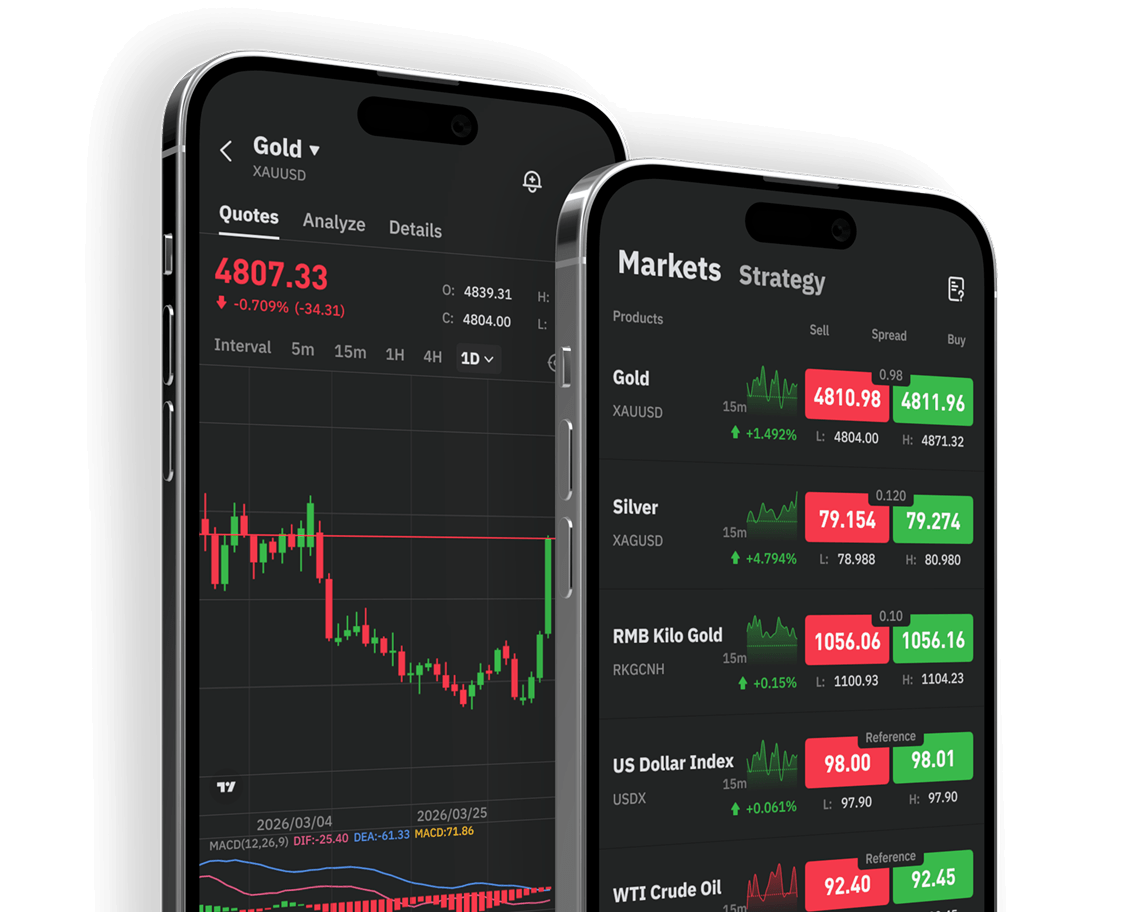


Gold is one of the most widely followed assets globally. It can be used for consumption and is also commonly used for investment and asset allocation. However, “gold investment” is not a single concept. Different products vary significantly in trading methods, entry thresholds, liquidity, risk levels, and target investors.
Before making choices, it is important to understand the characteristics of different gold investment approaches.
1. Physical Gold
Physical gold is the most straightforward form of investment, including gold bars, coins, and standardized investment-grade products.
Key Features
➢ Tangible and easy to understand
➢ Suitable for long-term holding and allocation
➢ Emphasizes value preservation
Considerations
➢ Bid-ask spreads and related costs
➢ Storage and safekeeping expenses
➢ Liquidity may be lower than electronic products
2. Paper Gold
Paper gold is an account-based trading method where investors trade based on price quotations without physically holding gold.
Key Features
➢ Convenient operation
➢ No physical delivery involved
➢ Suitable for participating in price fluctuations via accounts
Considerations
➢ Platform rules may differ
➢ Understand trading hours, spreads, and restrictions
3. Gold ETFs
Gold ETFs track gold price movements in a fund structure. Investors participate by purchasing ETF shares.
Key Features
➢ Standardized trading
➢ Suitable for securities account users
➢ Easy to integrate into portfolio allocation
Considerations
➢ Understand trading rules and market mechanisms
➢ More appropriate as an allocation tool rather than a substitute for all gold products
4. Spot Gold / Gold & Silver CFDs
Spot gold and CFDs are traded electronically around price movements, typically featuring extended trading hours, two-way trading, and margin mechanisms.
Key Features
➢ Flexible participation in price movements
➢ Ability to go long or short
➢ Fast trading pace with strong liquidity
Considerations
➢ Higher risk than allocation-focused products
➢ Leverage amplifies market fluctuations
➢ Suitable after understanding trading rules
5. Gold Futures
Gold futures involve standardized contracts traded on futures exchanges to participate in price movements.
Key Features
➢ Mature market structure
➢ Clear contract rules
➢ Suitable for investors familiar with derivatives
Considerations
➢ Strong contractual mechanisms
➢ High discipline and risk management requirements
6. How to Choose the Right Method?
There is no absolute best method. The key is suitability. Consider:
➢ Value preservation vs. trading opportunities
➢ Acceptable risk level
➢ Long-term holding preference
➢ Ability to monitor markets consistently
➢ Understanding of trading rules
Conclusion
Gold investment offers various approaches, from physical products to account-based products, ETFs, spot trading, and futures. Different products suit different goals and experience levels. Understanding products before trading is often more important than rushing into the market.
Risk Disclosure
Precious metals and CFD trading involve risk. Leverage may amplify both gains and losses. This article is for educational purposes only and does not constitute investment advice.