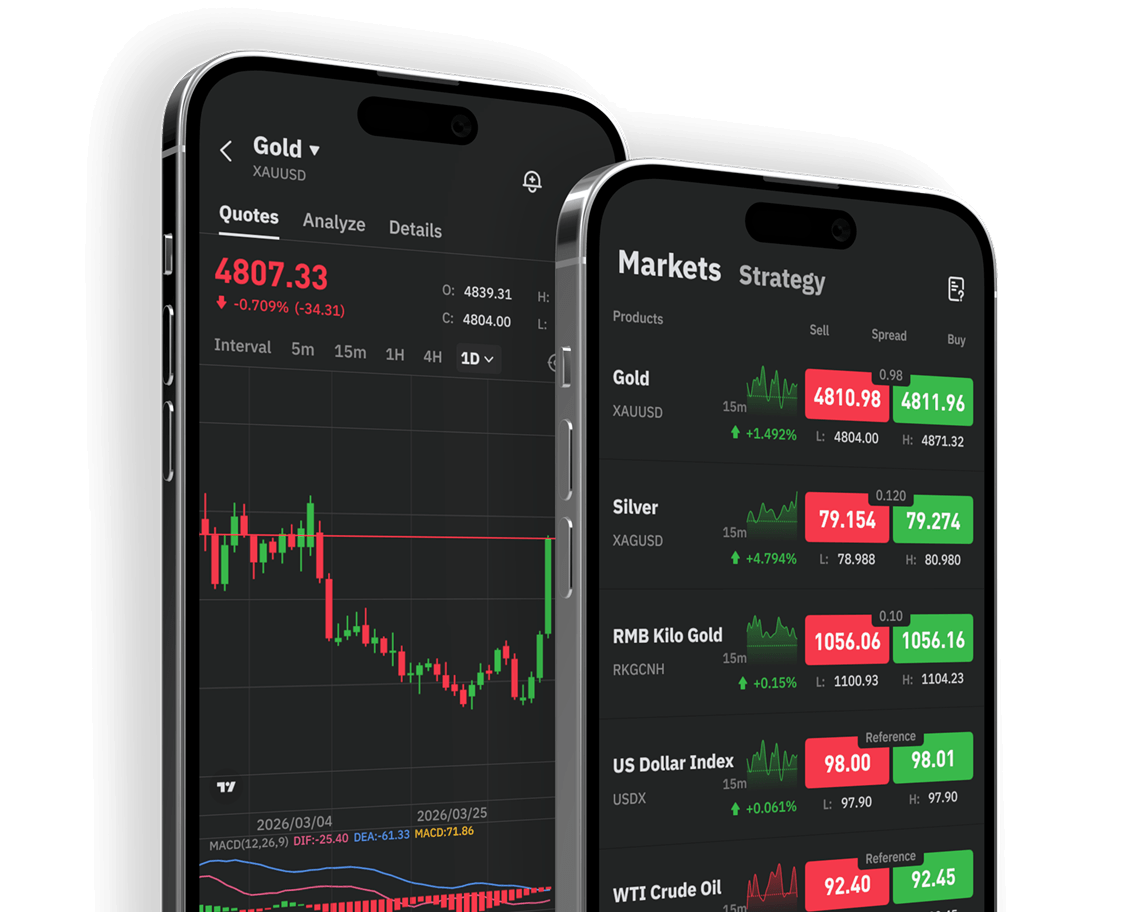


In gold trading, many traders use moving averages to determine trend direction. However, a complete trading system involves not only identifying direction but also managing risk effectively. Combining moving averages with ATR helps structure both trend analysis and stop-loss placement.
1. The Role of Moving Averages: Identifying Direction
Moving Average (MA) is a widely used trend tool in technical analysis. By calculating the average price over a given period, it helps traders focus on the primary price movement instead of short-term noise.
Common approaches:
➢ Use short-term MAs to observe market rhythm
➢ Use long-term MAs to determine overall direction
When a short-term MA remains above a long-term MA and both slope upward, the market is generally considered bullish; the opposite suggests a bearish environment.
2. The Role of ATR: Adapting Stop-Loss to Volatility
ATR (Average True Range) measures the average level of market volatility over time. It does not indicate direction but is highly effective for setting appropriate stop-loss distances.
Fixed stop-loss distances may be too rigid in volatile markets and easily triggered by normal fluctuations. ATR allows stop levels to adjust according to current market conditions.
3. How to Combine MAs and ATR
Step 1: Identify the Trend Environment
➢ Short-term MA above long-term MA with upward slope indicates bullish bias
➢ Short-term MA below long-term MA with downward slope indicates bearish bias
Step 2: Wait for Pullbacks or Confirmation
Instead of chasing price, traders may wait for pullbacks toward moving averages and look for continuation signals.
Step 3: Use ATR to Determine Stop Distance
If ATR indicates high volatility, allow wider stops; if ATR is low, stops can be tighter. This ensures stop placement is based on volatility rather than arbitrary numbers.
4. How Trailing Stops Protect Profits
As price moves favorably, stops may be adjusted:
➢ Based on short-term MA levels
➢ Based on ATR dynamic distance
➢ Gradually locking in profits as the trend develops
This approach helps:
➢ Protect profits
➢ Prevent winning trades from turning into losses
➢ Maintain disciplined trade management
5. Common Mistakes
1. Using MAs Without Stop-Loss
Moving averages show trend but cannot replace risk control. Trading without stop-loss remains high risk.
2. Treating ATR as a Forecasting Tool
ATR measures volatility, not direction. It should support risk management rather than predict price movement.
3. Tightening Stops Excessively During High Volatility
During major news events or volatile periods, normal price swings are larger. Setting stops too tight increases the likelihood of premature stop-outs.
Conclusion
Moving averages help identify direction, while ATR helps manage risk. Combining them transforms trading from intuition-based decisions into a structured process. For traders seeking a systematic approach, this combination is more valuable than relying on a single indicator.
Risk Disclosure
Precious metals and CFD trading involve risk. Leverage may amplify both gains and losses. This material is for educational purposes only and does not constitute investment advice. Please understand the product rules and risks before making investment decisions.